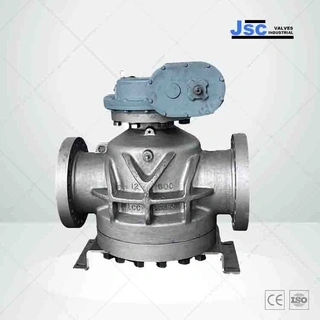
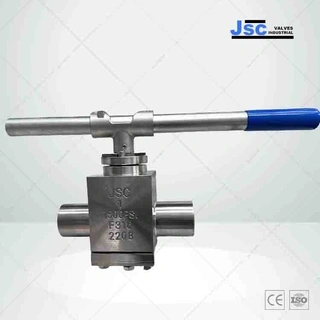
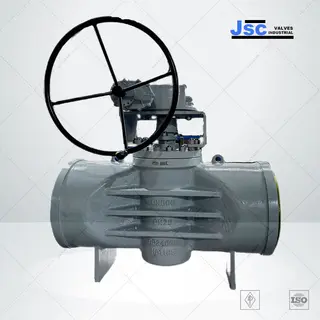
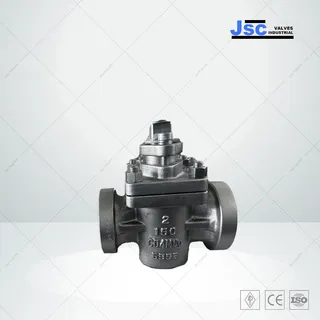
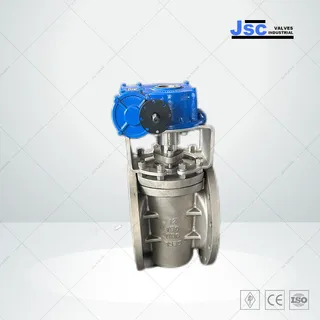
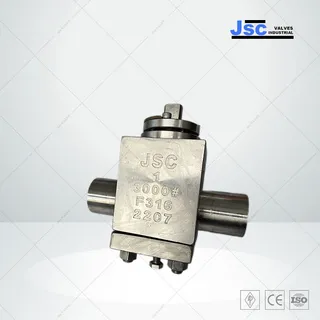
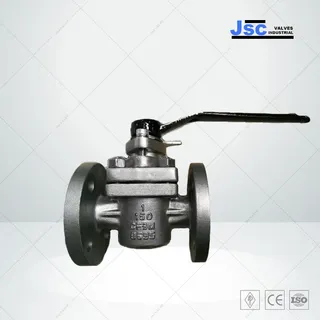
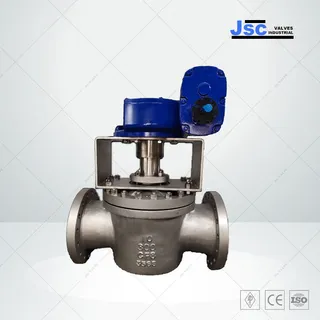
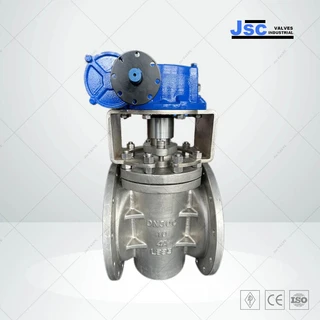
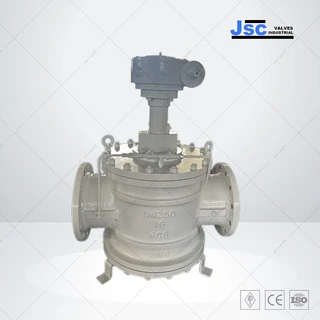
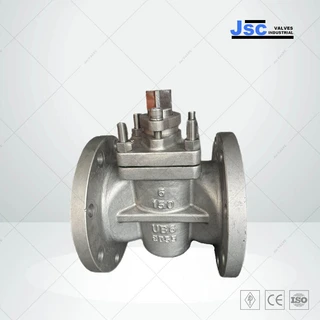
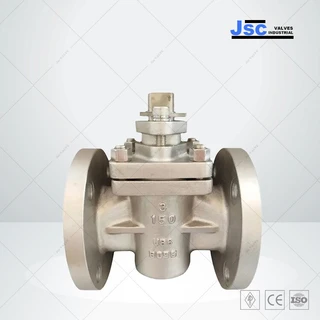
The plug valve is a straightforward and effective valve design with key components contributing to its functionality. The basic design of a plug valve includes:
Body: The outer casing providing structural support and housing for internal components. It serves as a connection point within the piping system.
Plug (Tapered or Cylindrical): The central element controlling fluid or gas flow. It can have a tapered or cylindrical shape, influencing the flow characteristics.
Ports: Openings in the valve body that permit fluid or gas flow when the plug is lifted or rotated. The configuration of ports determines the valve's functionality.
Stem: The rod or shaft connected to the plug, facilitating its movement. The stem is crucial for opening and closing the valve.
Handle or Actuator: The operating mechanism for the valve. It can be a manual handle for simple control or an automated actuator for precise and remote operation.
Seals: Components like O-rings or packing ensuring a tight seal between the plug and the valve body. Seals prevent leakage and maintain the integrity of the system.
Lubrication System: In some plug valves, a lubrication system is integrated to minimize friction and promote smooth operation. Lubrication enhances the longevity and efficiency of the valve.
Plug valves come in various types, each designed to meet specific application requirements. Here are some common types of plug valves:
Lubricated Plug Valve: Utilizes a lubricant, often injected under pressure, to minimize friction between the plug and the valve body, ensuring smooth and efficient operation.
Non-Lubricated Plug Valve: Engineered to function without external lubrication, making them suitable for applications where the risk of lubricant contamination is a concern.
Eccentric Plug Valve: In an eccentric plug valve, the plug is offset from the centerline of the pipe bore. This design reduces wear and provides reliable sealing, making it ideal for high-performance applications.
Elastomer Sleeved Plug Valve: Features a flexible elastomer sleeve surrounding the plug, offering excellent sealing properties and corrosion resistance. Commonly used in applications involving abrasive or corrosive fluids.
Plug valves offer several advantages that make them suitable for various applications across industries. Here are some key advantages of plug valves:
Quick Operation: Plug valves provide rapid and positive shut-off, making them well-suited for applications requiring swift isolation.
Simple Design: With a relatively straightforward design and fewer components, plug valves facilitate easy maintenance and repair.
Versatility: Capable of handling a diverse range of fluids, including liquids, gases, and slurries, showcasing their adaptability to various applications.
Durable Construction: Plug valves are often constructed to be robust, enabling them to withstand high-pressure and high-temperature conditions effectively. This durability contributes to their reliability in challenging environments.
Plug valves are versatile and find applications in a variety of industries due to their ability to provide positive shut-off and ease of operation. Some common applications of plug valves include:
Chemical Industry: Plug valves are frequently utilized in the chemical industry, particularly in applications dealing with corrosive fluids. Their positive shut-off capability is valuable in controlling the flow of chemicals.
Oil and Gas Industry: In the oil and gas sector, plug valves play a crucial role in the transportation of crude oil and natural gas. Their versatility and ability to provide a positive shut-off contribute to their effectiveness in various applications within this industry.
Water Treatment: Water treatment plants commonly incorporate plug valves for controlling the flow of water and various chemicals. The ease of operation and positive shut-off make them suitable for regulating fluid movement in water treatment processes.
Petrochemical Industry: Plug valves are employed in petrochemical processes where precise control of fluid flow is critical. Their versatility and reliability make them valuable components in various petrochemical applications.