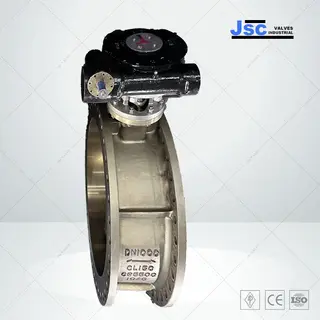
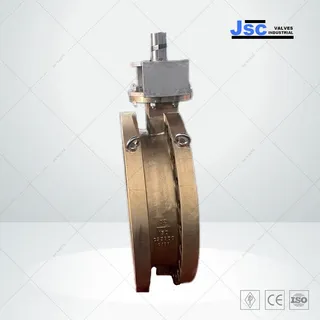
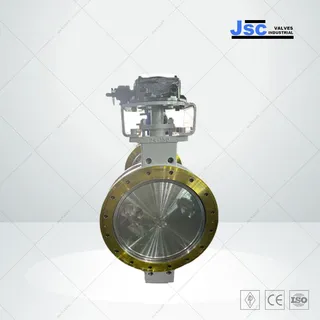
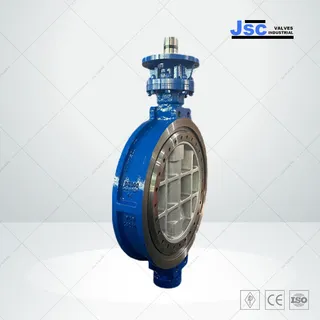
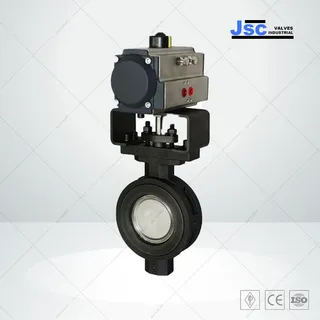
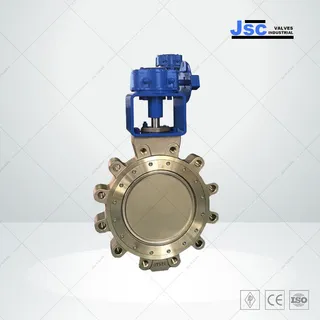
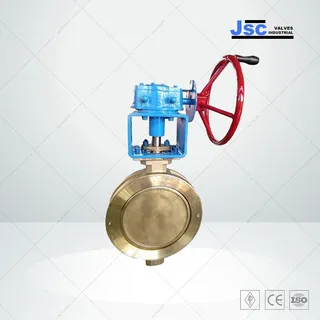
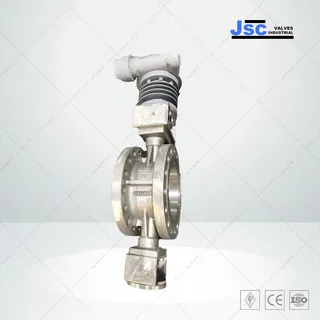
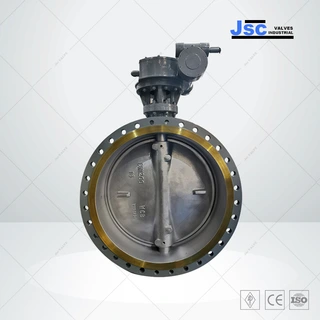
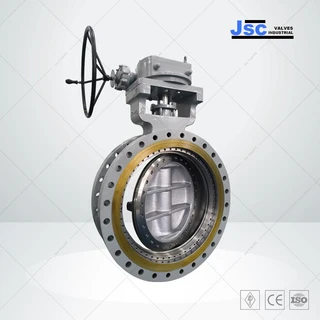
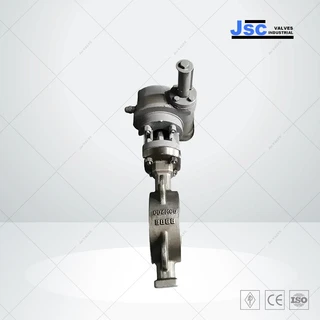
A butterfly valve contains the following components:
Body: The outer casing serves as the protective housing for internal elements and establishes a connection point within the piping system.
Disc: Resembling a butterfly wing, the disc plays a pivotal role in regulating the flow. It can be concentrically or eccentrically mounted within the valve body.
Spindle (Shaft): The spindle, also known as the shaft, acts as the central rod facilitating the rotation of the disc. It connects to the actuator for mechanical control.
Actuator: The actuator serves as the mechanism initiating disc rotation. It can be manual (hand-operated), electric, pneumatic, or hydraulic, providing flexibility in control.
Seat: The seat functions as a sealing surface where the disc contacts, preventing fluid leakage when the valve is in the closed position.
There are several common types of butterfly valves, each with its own characteristics and applications:
Concentric Butterfly Valve: The disc is centrally positioned within the valve body, ensuring a consistent seal around the circumference.
Eccentric Butterfly Valve: The disc is offset from the center, providing improved sealing capabilities, particularly beneficial in high-pressure applications.
Double Offset Butterfly Valve: Combining both concentric and eccentric features, this valve type offers enhanced sealing performance and reduced wear.
Triple Offset Butterfly Valve: Introducing a third offset, this valve further improves sealing efficiency and minimizes friction, making it suitable for high-performance applications.
Butterfly valves offer several advantages, making them popular in various industries. Here are some key advantages of butterfly valves:
Cost-Effective: Butterfly valves offer a budget-friendly option compared to other valve types, making them a preferred choice for cost-conscious applications.
Space-Saving Design: With a compact and lightweight design, butterfly valves are ideal for installations with limited space. Their low-profile construction is particularly advantageous in confined settings.
Quick Operation: Operating on a quarter-turn mechanism, butterfly valves enable rapid opening and closing, ensuring fast response times in applications where efficiency is critical.
Low Pressure Drop: The streamlined disc design minimizes pressure drop across butterfly valves, facilitating efficient fluid or gas flow with minimal resistance.
Lightweight Construction: Constructed with lightweight materials, butterfly valves reduce overall weight. This is beneficial in applications where heavy valves may not be suitable, contributing to enhanced flexibility and ease of use.
Butterfly valves, known for their cost-effectiveness, ease of installation, and efficient flow control, are widely utilized across diverse industries. Common applications include:
Water Treatment Plants: Butterfly valves play a crucial role in water treatment plants, effectively controlling the flow of water within treatment and distribution systems.
Chemical Processing: In chemical processing plants, butterfly valves are utilized to control the flow of corrosive fluids, ensuring efficient and safe operation.
Oil and Gas Industry: Butterfly valves find application in the oil and gas industry, where they regulate the flow of oil, gas, and other hydrocarbons within pipelines.
Fire Protection Systems: Integrated into fire protection systems, butterfly valves play a critical role in controlling the flow of water, contributing to effective fire prevention and management.