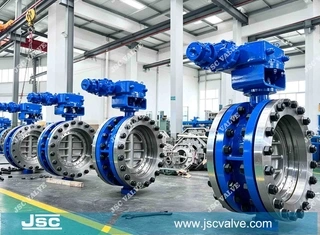
Metal to metal Triple eccentric butterfly valve DN600 PN25
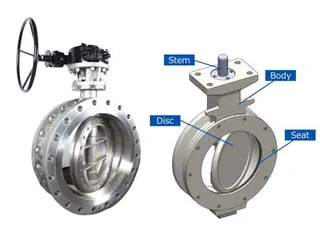
Metal to metal Triple eccentric butterfly valve DN600 PN25 Body P265GH DISC CF8M FULL metal seat Premium metal seat eccentric butterfly valve custom-built for European market.

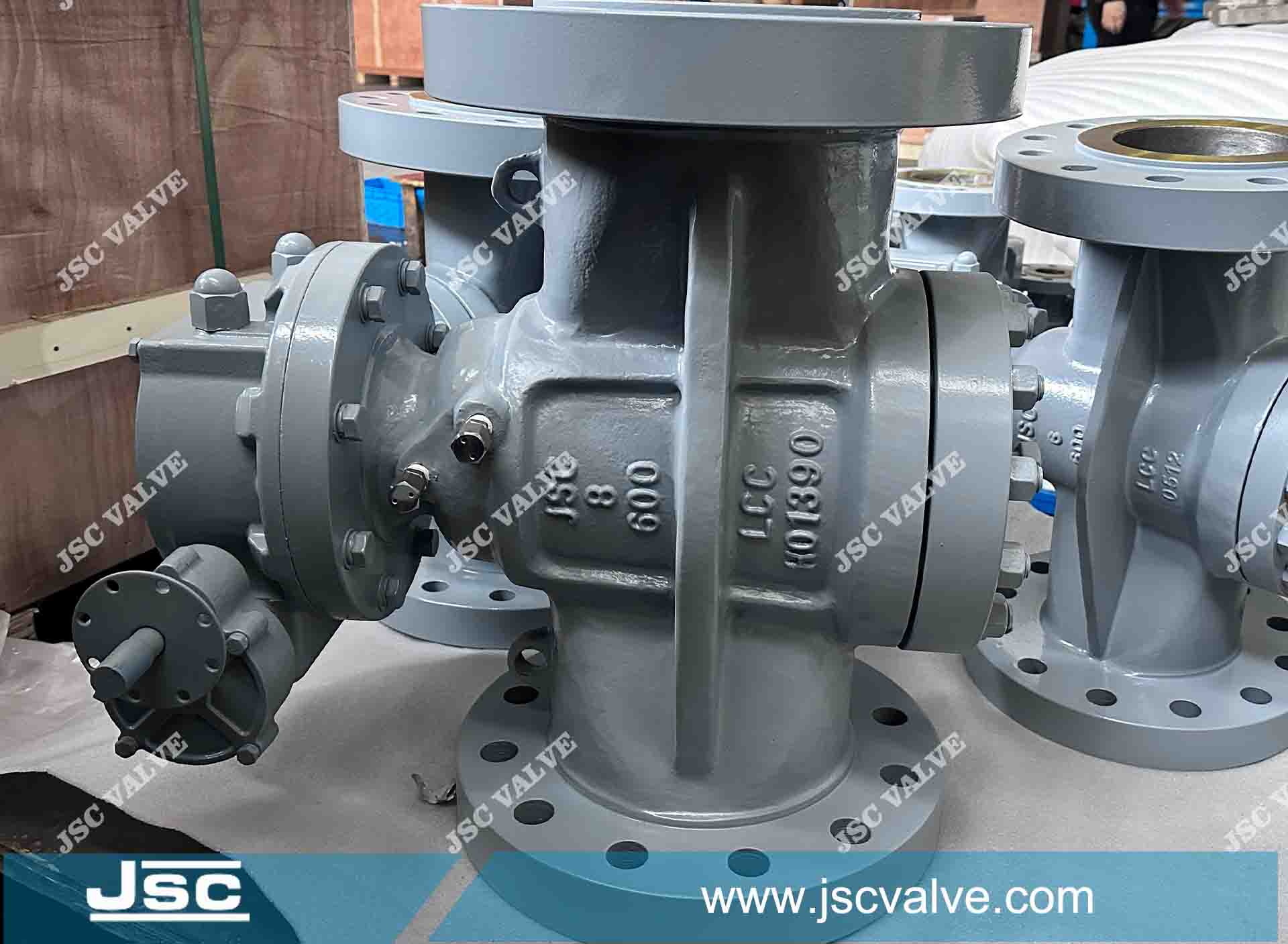
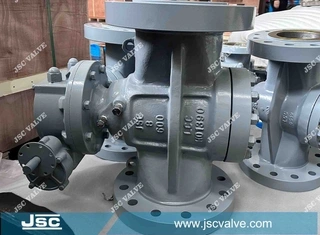
Inverted pressure balance lubricated plug valve, Body LCC Class 600LB Size 2'' 4'' 6'' 8'' Premium lubricated plug valve custom-built for European market.
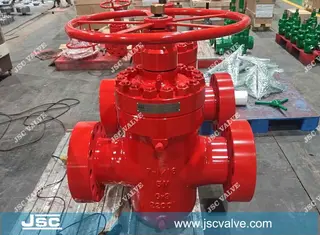
API 6A Expanding gate valve 7 1/16'' 5000PSI, DD,PR1,PSL 1 API 6A Expanding gate valve Valves consists of one gate body and related gate segment. The contact surface between are designed to milled V structure. Expanding Gate valves are available in sizes 2-1/16 "through 4-1/16". working pressure of 2000 psi through 5000 psi. API 6A Expanding Gate Valves are commonly used in oil and gas production, refining, and petrochemical industries. These valves are designed...
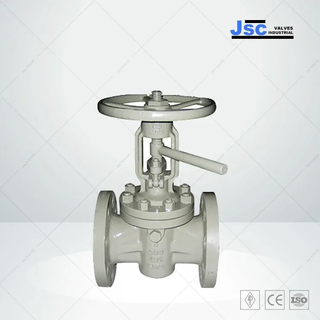
Metal Seated Lift Plug Valve Metal Seated lift plug valve can be sealed on both sides of the seat sealing surface, the use of the valve is not restricted by the flow direction of the medium. When the metal seated lifting plug valve is closed, the sealing surface of the valve seat can be pressurized by the hand wheel and the stem. By increasing the specific sealing pressure, the plug valve can have better sealing performance. The sealing surface of the valve seat is convex, which is convenient for...
Industrial valves are crucial components in fluid control systems, and their operating conditions directly influence the stability, reliability, and service life of equipment. The valve's working environment is affected by various factors, including the working pressure and temperature of the medium, the characteristics of the medium, pressure and temperature fluctuations, drive methods, installation position, maintenance cycles, and the need for special protection measures. Therefore, understanding...
Rubber-lined butterfly valves and rubber sealed butterfly valves are common types of industrial valves. They are used in many industries. Both valves use rubber as the sealing material. However, they differ in their structural design, suitable environments, and sealing performance. This article compares the two butterfly valve types in detail, including their characteristics, working principles, applications, and selection guidelines. Structure and Features of Rubber-lined Butterfly Valves The main...
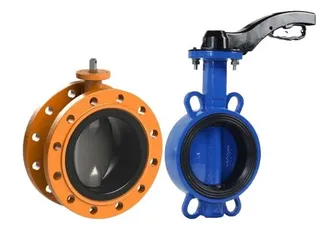
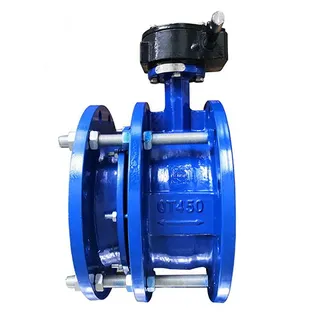
An expansion flanged butterfly valve is an innovative valve that combines the functions of a flanged butterfly valve and a pipeline expansion joint. It can regulate flow, throttle fluid, and compensate for pipeline thermal expansion and contraction caused by temperature fluctuations. This butterfly valve effectively addresses internal stress issues that arise from temperature changes. It is widely used in industries like oil, chemical, metallurgy, and hydropower to control flow and regulate fluid...
Cast iron is widely used in valve manufacturing, but its inherent low corrosion resistance makes cast iron valves prone to corrosion during use, especially in the internal cavities that come into direct contact with the fluid medium. To enhance the service life and applicability of cast iron valves in various industrial environments, it is crucial to apply suitable surface coating treatments. Coatings not only effectively isolate the valve body from direct contact with the medium, reducing corrosion,...
Butterfly valves are widely used in pipeline systems for on/off and flow regulation applications. Their simple structure and ease of operation make them suitable for controlling and shutting off the flow of various media. The design of butterfly valves requires careful consideration of multiple factors, including the characteristics of the medium, process conditions, sealing requirements, flow capacity, and the type of actuator. Below are the key factors to focus on during the design of butterfly...
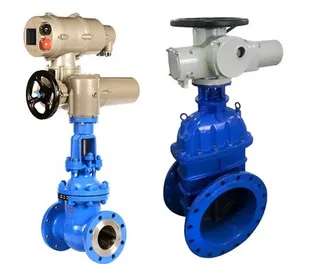
Gate valves are critical components in fluid transport systems, with their reliability directly impacting the safety and efficiency of the entire system. However, deficiencies in design, manufacturing, installation, operation, and maintenance can lead to various failures. This article examines common gate valve issues such as stem breakage, gate faults, sealing surface defects, packing failures, and electric actuator problems. By analyzing the causes and risks of these failures, practical recommendations...
Electric gate valves are widely used in various working environments, especially in pump stations, pipeline systems, and other fluid control settings. To ensure the safe operation of electric gate valves under different working conditions, the proper setup and adjustment of the torque limiting mechanism is essential. The main purpose of the torque limiting mechanism is to limit the excessive torque generated during the opening and closing of the valve, preventing motor overload, valve damage, or...
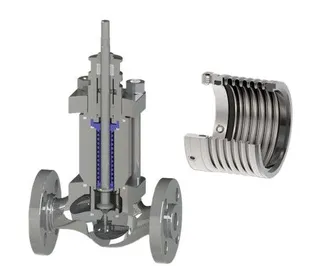
With the rapid development of modern industries such as chemical and nuclear sectors, the number of pipeline systems involving flammable, explosive, toxic, and radioactive substances has been steadily increasing. These pipeline systems are typically located in high-risk environments, where any leakage could lead to severe accidents. As a result, the sealing requirements for industrial valves used in these pipelines have become more stringent, and conventional packing seals can no longer meet...